How to Attract the Right Audience for Your Business or Nonprofit

Updated: May 19

Introduction
Finding the right audience is at the heart of every successful business or nonprofit. Whether you’re seeking customers, donors, or partners, reaching the right people ensures that your efforts resonate, your impact grows, and your mission thrives. But attracting the right audience isn’t just about marketing—it’s about creating a brand that authentically represents your values and communicates them effectively.
This can be achieved with tools like a brand standards kit. Kits, like the one we’ve created, help define the key elements of your brand to ensure alignment in communication and marketing across your organization.
This blog will explore key strategies for aligning your brand with your ideal audience, supported by actionable insights to help you stand out and connect meaningfully.
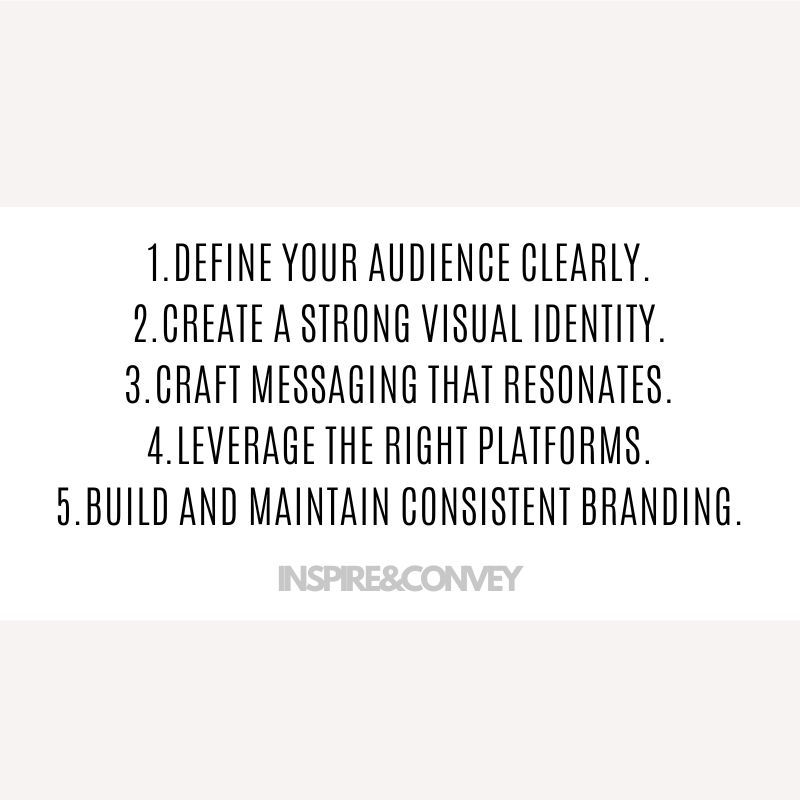
5 Key Ways to Attract the Right Audience
Define Your Audience Clearly.
Create a Strong Visual Identity.
Craft Messaging That Resonates.
Leverage the Right Platforms.
Build and Maintain Consistent Branding.
1. Define Your Audience Clearly
You can’t attract the right people if you’re not sure who they are. Defining your audience means understanding their needs, challenges, and what they value most.
How to Do It:
Create detailed audience personas, including demographics, behaviors, and preferences.
Survey or interview your current audience to identify patterns and preferences.
Identify the challenges your audience faces and how you can solve them.
Example: A nonprofit focused on youth development defined their ideal audience as socially conscious young professionals interested in volunteering and donating. They tailored their campaigns to highlight volunteer stories and made donating easy through digital platforms.
According to the American Marketing Association, "Nailing your target audience isn’t just marketing jargon—it’s your ticket to boosting your sales by up to 20%."
2. Create a Strong Visual Identity
First impressions matter. Your logo, colors, typography, and design all play a role in how your audience perceives you. A cohesive visual identity builds trust and recognition.
How to Do It:
Use consistent colors, fonts, and logos across all materials.
Choose a design style that reflects your mission and resonates with your audience.
Ensure your visuals look professional and modern.
Tip: Invest in creating a style guide that outlines your visual standards to maintain consistency across platforms.
"We offer branding and other design services to help you attract the right audience— Let's work together."
3. Craft Messaging That Resonates
Your tone, language, and key messages should speak directly to your audience’s needs and aspirations. Authentic storytelling can make your audience feel seen and understood.
How to Do It:
Develop a messaging framework with a clear mission statement, tagline, and key messages.
Tailor content to address your audience’s values, questions, and challenges.
Use storytelling to make your mission relatable and compelling.
Example: An eco-conscious small business used the tagline “Sustainable Living Made Simple” to connect with environmentally aware customers, effectively showcasing their commitment to both simplicity and sustainability.
4. Leverage the Right Platforms
Not every platform is the right fit for your audience. Identifying where your audience spends their time ensures you focus your efforts effectively.
How to Do It:
Research your audience’s preferred communication channels (social media, email, events).
Focus on platforms that align with your goals—LinkedIn for professionals, Instagram for visual storytelling, etc.
Adapt your content to fit each platform while maintaining your brand’s tone and visuals.
Tip: Monitor engagement metrics to refine your platform strategy and double down on what works.
5. Build and Maintain Consistent Branding
Consistency is key to building trust and recognition. When your audience sees cohesive visuals, messaging, and tone, it reinforces your professionalism and reliability.
How to Do It:
Audit your materials regularly to ensure alignment with your brand guidelines.
Train your team on brand standards to maintain consistency.
Use templates for social media, email, and presentations to streamline your content creation process.
Example: A nonprofit that helps local farmers, maintained consistency by using the same color palette, logo placement, and messaging across their website, flyers, and social media campaigns, creating a professional and trustworthy image.
Pistachio Design emphasizes, "Visual consistency in brand identity is non-negotiable. It builds trust, enhances brand recall, and fosters long-term relationships with customers."
Practical Next Steps
Attracting the right audience is about more than outreach—it’s about creating a brand that truly resonates. By defining your audience, crafting a strong visual identity, aligning your messaging, and staying consistent, you can foster deeper connections that drive growth and impact.
Next Steps You Can Take Today:
Define your audience: Start by identifying who you’re trying to reach and what matters to them.
Audit your branding: Review your visuals, messaging, and materials for consistency.
Download the Brand Kit Builder & Presentation Kit to build a professional brand that attracts your ideal audience.
Schedule a strategy session with Inspire&Convey to develop a tailored plan for connecting with the right people.
With a clear focus and the right tools, you can create a brand that stands out and inspires action.
With love & productivity,
Erica Lee


