Rebranding: When to Refresh and How to Do It Right
- Mar 10
- 3 min read
How & When to Rebrand Your Organization
Introduction
Every brand has a story, but sometimes, that story needs a new chapter. Whether due to growth, market changes, or evolving audience expectations, rebranding can help you stay relevant and aligned with your goals. However, the process requires more than a new logo or color palette—it’s about redefining who you are and how you connect with your audience.
If you’re wondering whether it’s time to rebrand or how to navigate the process effectively, this guide will walk you through the signs, steps, and strategies for doing it right.
Is It Time to Rebrand? Recognizing the Signs
Rebranding can feel like a daunting step, but sometimes it’s necessary to stay aligned with your goals and audience.
Here are the most common reasons organizations decide it’s time for a refresh:
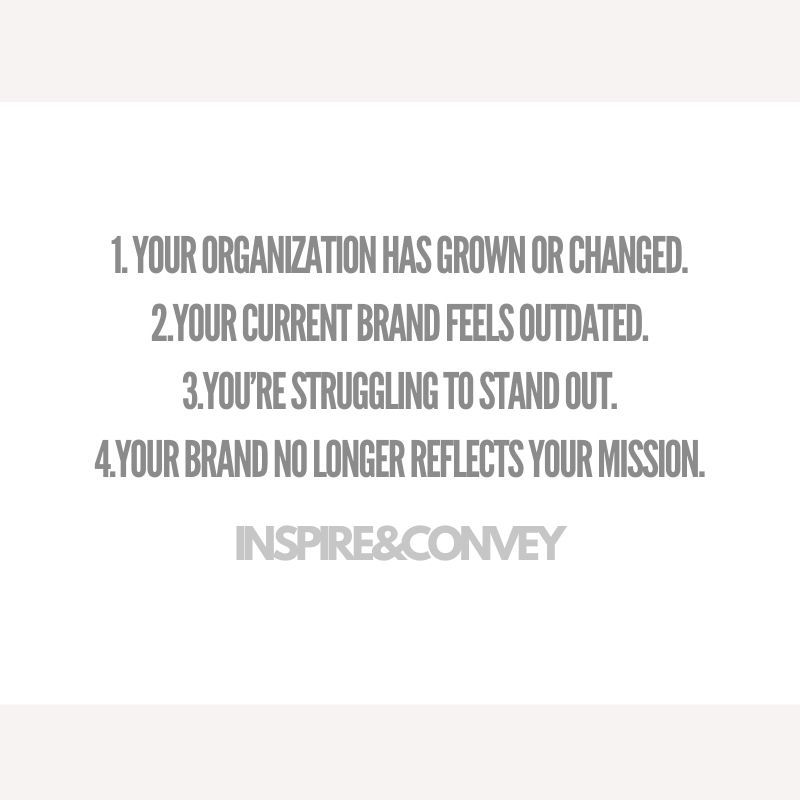
1. Your Organization Has Grown or Changed
Growth often brings new audiences, services, or goals. A nonprofit that started as a grassroots effort to mentor local youth, for example, might find itself expanding nationally, serving a broader community. While the original branding worked for a small, local audience, the organization’s new reach and vision demand a more professional and inclusive identity. This shift ensures the brand reflects the full scope of its impact and helps it connect with new stakeholders, from national funders to corporate partners.
2. Your Current Brand Feels Outdated
Trends evolve, and audiences expect brands to feel modern and relevant. A company using a logo designed decades ago may unintentionally signal stagnation rather than growth. Even when the mission and services remain strong, outdated visuals can hinder your ability to attract new audiences, especially younger, digitally-savvy customers. A refreshed design—updated typography, streamlined visuals, or vibrant colors—can breathe new life into your organization and signal your commitment to innovation.
3. You’re Struggling to Stand Out
In crowded industries or nonprofit sectors, it’s easy to get lost in the noise. If your messaging and visuals don’t differentiate you, potential clients or supporters may overlook your value. For instance, in a competitive space like eco-conscious businesses, a generic logo and unclear messaging might fail to communicate what sets you apart. By refining your brand’s identity—through storytelling, a bold logo, or a tagline that clearly conveys your impact—you can ensure your audience sees your unique strengths.
4. Your Brand No Longer Reflects Your Mission
As your organization evolves, your mission might expand beyond its original focus. A coffee shop that started with a focus on great drinks, for instance, might now channel its profits toward nonprofit partnerships or youth development. Without a rebrand, that shift in purpose may not be clear to customers or partners. Updating your visuals and messaging to reflect these new values allows you to align your brand with your mission while attracting audiences who share your vision.
Not sure where to start? Book a strategy session and let's start the steps to your rebrand.
How to Rebrand: A Step-by-Step Process
Here’s how to refresh your brand while retaining audience trust:
Conduct a brand audit.
Redefine your mission and goals.
Update visuals and messaging.
Implement and communicate the rebrand.
1. Conduct a Brand Audit
Evaluate your current branding to identify what’s working and what’s not.
Assess visuals, messaging, and audience perception.
Gather input from stakeholders, customers, and team members.
Pro Tip: Keep elements that resonate with your audience to maintain familiarity while updating areas that need improvement.
Ready to take the first step toward a successful brand audit? Download the Brand Kit Builder & Presentation Kit for a guided audit checklist and all the tools to guide your process.
2. Redefine Your Mission and Goals
Use the rebrand as an opportunity to clarify your purpose and direction.
Craft a mission statement that reflects your updated values.
Align your brand with the needs and expectations of your audience.
3. Update Visuals and Messaging
Refresh your brand identity to align with your mission and goals.
Update your logo, color palette, and typography.
Revise your messaging framework, including your tagline and tone of voice.
4. Implement and Communicate the Rebrand
Roll out your rebrand thoughtfully to build trust and excitement.
Launch a campaign sharing the “why” behind your rebrand.
Update all touchpoints—website, social media, signage, and more.
Pro Tip: Involve your audience by showing the journey and the benefits of the rebrand. This fosters connection and loyalty.
Actionable Next Steps
Rebranding is more than a visual refresh—it’s a strategic opportunity to realign with your mission, stand out in your market, and build stronger connections with your audience.
Download the Brand Kit Builder & Presentation Kit to simplify the rebranding process.
Conduct a brand audit to assess your current identity and identify areas for improvement.
Schedule a strategy session with me to create a rebranding plan tailored to your goals.
With love & productivity,
Erica Lee


